The other night I watched a film called The Substance. It bills itself as psychological body horror. The premise: a wildly successful Hollywood starlet ages out of relevance and gets discarded. Boo frickin’ hoo. She’s rich. She’s beautiful. She’s comfortably retired with a milquetoast love interest who worships the ground she walks on. A soft landing by any honest measure.
Instead, she throws it all away chasing the spotlight like a junkie scratching for one more hit. It’s a fable about the addiction of adulation, about mistaking applause for oxygen. Darkly funny. Honestly, it worked as a better black comedy than Death Becomes Her. I was riveted the whole time.
But scared?
No. Not once.
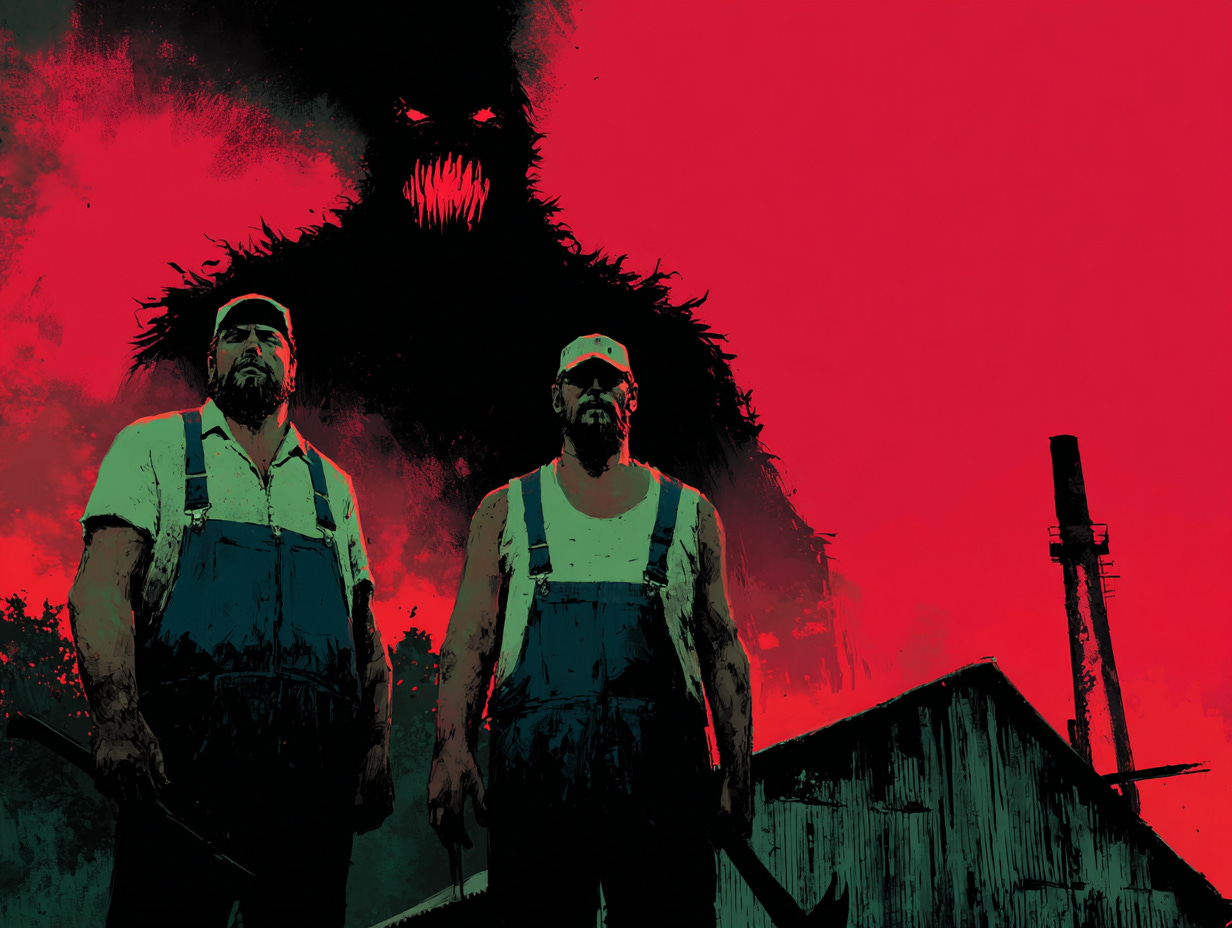
Horror doesn’t belong to clean hands. It comes from factory floors and back hollers, from night shifts and failing towns, from places where people use themselves up and pay for it later. Academic abstractions can’t compete with callused palms and bad backs. Real horror comes from knowing, firsthand, how fragile a human body actually is.
Blue-collar people don’t need to imagine danger. They live with it. They work around machines that’ll kill them for a moment’s inattention. They drive roads slick with black ice. They hunt, cut, weld, climb, crawl, and haul. They understand injury and exhaustion because they’ve earned both. They live paycheck to paycheck, every month balanced on the edge of ruin. Jostle them just a little and watch a whole life come apart.
Consequence is the soil horror grows best in.
The genre has always known this, even when the audience forgot. The earliest horror wasn’t gothic luxury. It was plague pits and famine. War. Bodies stacked without names. Modern horror follows the same bloodline. It’s about being trapped in a job you can’t quit. About towns that die the minute the plant shuts down. About mines that collapse, mills that poison rivers, factories that vanish overnight and leave behind nothing but rust and debt. It’s about systems that take everything they can and leave the rest to rot.
The monster is just a face you give the weight of anxiety and dread sitting on your chest while you lie awake, staring at the ceiling, wondering how the hell you’re going to make it through. It’s the quiet terror of being chewed up and replaced. Horror is what happens when you are treated as expendable.
You see it in slashers, where the killer is unstoppable because work never stops. In possession stories, where the body becomes a tool something else uses until it breaks. In the isolation of rural horror, no help is coming. You fix it yourself, or you don’t fix it at all.
That’s why horror resonates so deeply in working-class spaces. It already speaks the language. It doesn’t trust authority. Official explanations come after the damage. Reports get written when the bodies are already cold and counted. The sheriff is useless. The company lies. The experts arrive too late. Survival belongs to people who understand the terrain, the tools, and the cost of hesitation, to people who know fear isn’t abstract.
Horror is blue collar. It gets its hands dirty.


Insightful. Never thought about it this way before. It does get its hands dirty.
"Consequence is the soil horror grows best in."
IMHO The Substance sucked. Thought the humor was forced. And the metamorphosis took forever. Qualley was awesome.