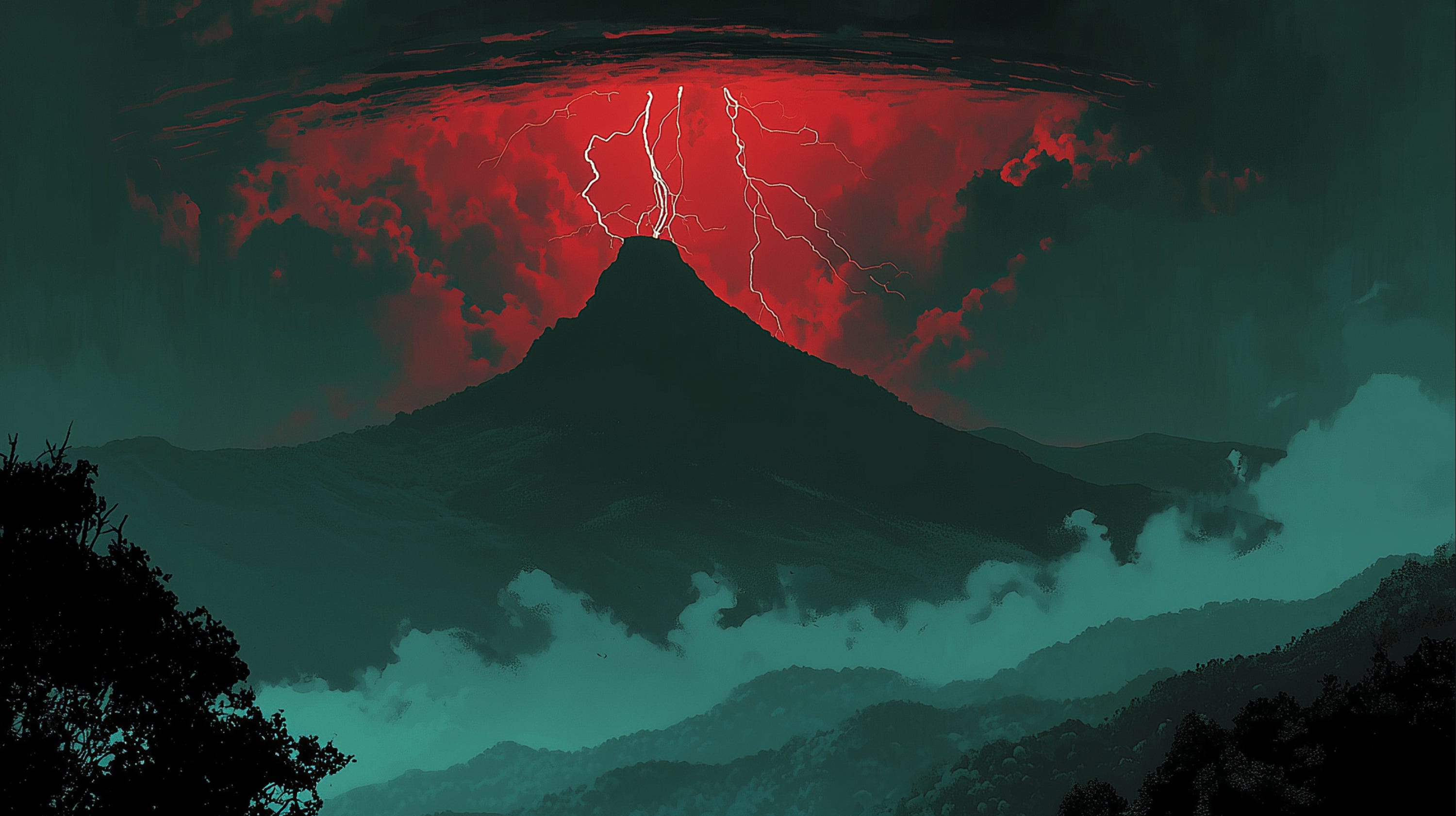
Once upon a time, I was in a job interview. When they asked me where I was from, their eyes went wide at the answer.
West Virginia.
In the imagination of coastal snobbery, West Virginia is a mythical place they aren’t quite sure where to locate on a map. Only bad things happen there. Drugs. Coal. Trailers. Incest. Appalachia is rarely allowed to be a place. It’s a warning.
In stories, it becomes shorthand for decay, ignorance, and menace. A backdrop for violence. A landscape that explains cruelty by proximity alone. When something goes wrong in a narrative, the hills are blamed. The woods become complicit. The people are reduced to symptoms of terrain.
This isn’t an accident. It’s convenience.
Appalachia is made the villain because it absorbs guilt easily. Outsiders can project their fears onto it without consequence. Poverty becomes moral failure. Isolation becomes savagery. Tradition becomes stagnation. The land is framed as hostile so no one has to admit what was done to it or who benefited.
Horror, thrillers, and crime stories repeat the pattern relentlessly. The setting is rural. The roads are narrow. The locals are suspicious. Violence feels inevitable because the place itself is treated as diseased. Appalachia isn’t written as a victim of history. It’s written as its natural outcome.
But places don’t fail on their own.
Appalachia was not born poor or broken. It was stripped. Timber clear-cut. Coal carved out. Rivers poisoned. Labor extracted until bodies wore down and companies moved on. When the economy collapsed, the blame stayed behind with the people who couldn’t leave. The villain escaped in railcars and balance sheets.
Still, the stories keep pointing at the hills.
It’s easier to say the land is cursed than to say it was exploited. Easier to frame communities as backward than to admit they were deliberately underdeveloped. Easier to turn Appalachia into a monster than to reckon with the systems that needed it quiet and compliant.
This is why Appalachia makes such a “good” antagonist in fiction: it doesn’t argue back.
The region is cast as unknowable, lawless, and threatening, just wild enough to justify any violence done within it. Outsiders enter the story already afraid, already superior, already convinced the danger is inherent. Whatever they do next feels reasonable. Even necessary.
But Appalachia isn’t a villain. Its a witness. It remembers what was taken and who took it. It holds onto old injuries. It doesn’t clean itself up for narrative comfort. When stories turn dark here, it isn’t because the land demands blood. It’s because unresolved history always resurfaces.
The irony is that Appalachia is often blamed for the very qualities that kept it alive. Self-reliance. Distrust of authority. Tight-knit communities. Oral tradition. These traits become “threatening” only when viewed from a distance that expects obedience and uniformity.
In horror especially, Appalachia is framed as the thing that corrupts outsiders. But more often, it’s the place where outsiders reveal who they already are. The violence doesn’t come from the soil. It comes from entitlement colliding with a place that refuses to flatten itself for consumption.
Calling Appalachia the villain allows people to enjoy the aesthetic of ruin without responsibility. To consume stories of suffering without asking who profits from the image. To feel relieved that the darkness lives somewhere else.
But the land isn’t evil.
It’s injured.
And injured places don’t lash out. They endure. They wait. They reflect back whatever is brought into them.
If Appalachia keeps showing up as the villain in other people’s stories, it’s because it holds a mirror most of them would rather not look into.
The hills aren’t the threat.
They’re the record.


Every time I hear “blue states are so rich and awesome” I say - of course, that’s where the offices and transportation hubs are. And the food and the resources and even the manufacturing comes from literally everywhere else.
Urban folks with an unearned sense of superiority? Must be a day ending in Y. I’ll take my country folk